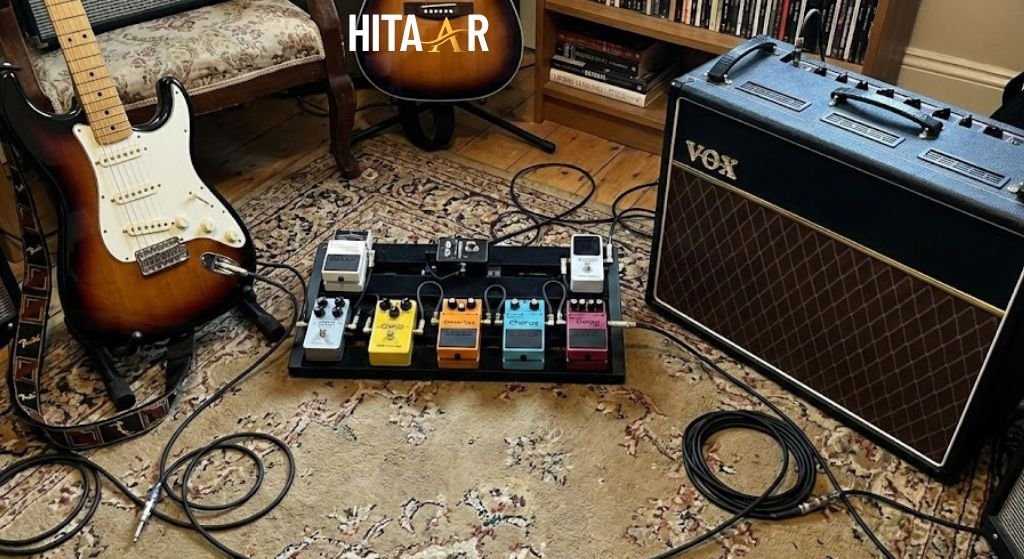

Getting the perfect guitar tone isn’t just about your guitar or amplifier—it also depends heavily on guitar pedal order. How you arrange your pedals in the signal chain affects clarity, dynamics, and overall sound. Whether you’re just starting and looking for the best guitar pedal order for beginners or you’re experimenting with a professional setup, understanding pedal placement is essential. In this guide, we’ll cover everything from standard pedal arrangements to advanced setups and customisation techniques for unique tone.
Why Your Guitar Pedal Order Can Make or Break Your Sound
The order of your pedals can drastically change your tone. For example, placing a fuzz pedal after a delay can make repeats sound muddy, whereas placing it before preserves the crispness and intensity of the fuzz. This is why beginners often search for how to arrange guitar pedals for the best sound. Knowing the correct pedalboard setup ensures that every effect contributes positively to your overall tone. Proper placement also helps maintain the strength of your signal, especially on longer chains where some pedals can naturally reduce clarity.
Understanding the Guitar Signal Chain: A Beginner’s Guide
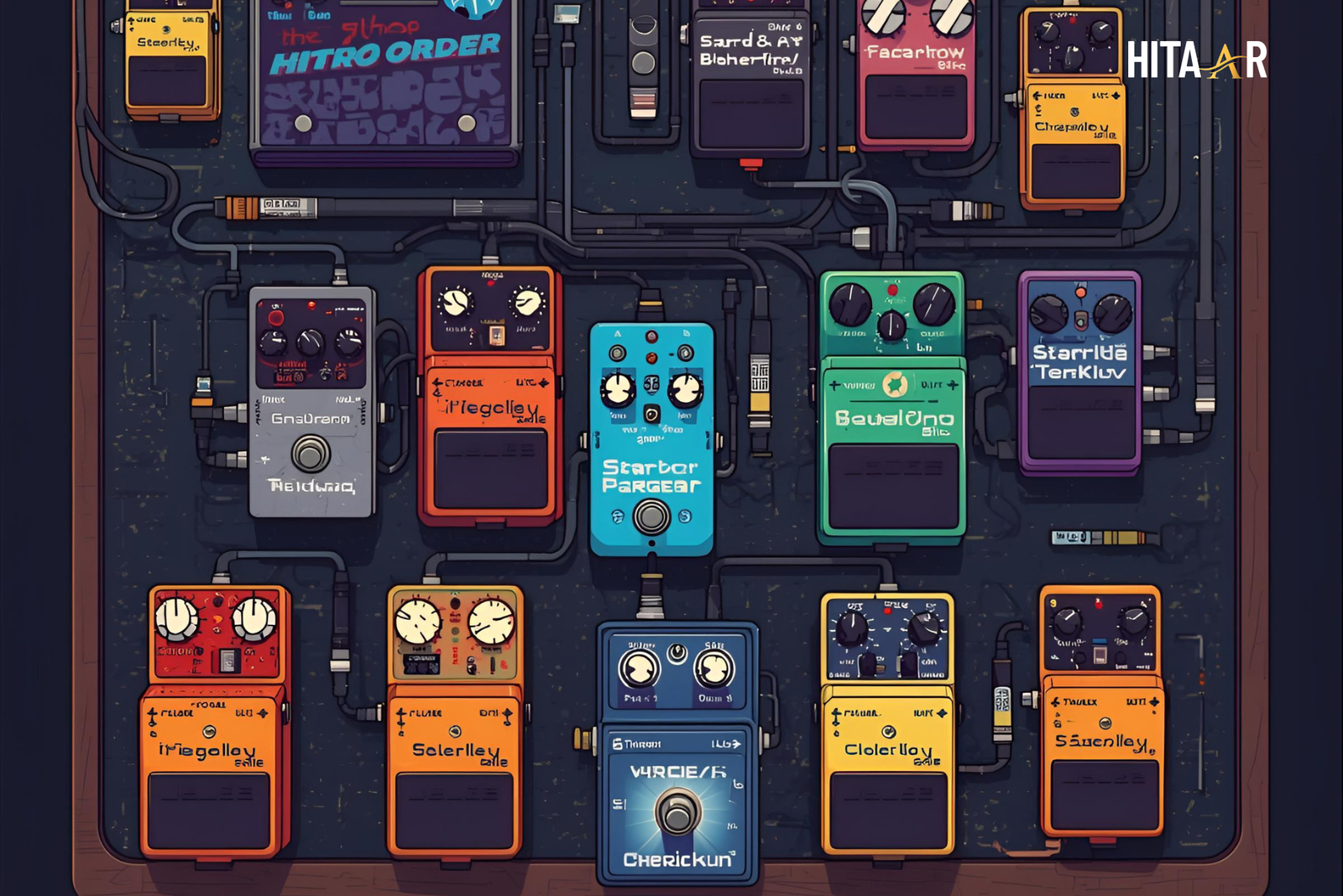
The guitar signal chain is the path your guitar’s sound takes from the instrument to the amplifier, passing through various pedals. A typical chain starts with a tuner or buffer, followed by gain pedals such as overdrive or fuzz, then modulation effects like chorus or phaser, and finally time-based pedals such as delay and reverb. Beginners often underestimate how much the signal chain affects tone. Experimenting with pedal placement can reveal subtle differences and help you discover the sound that suits your style.
The Ideal Guitar Pedal Order for Every Setup
While personal preference plays a role, there is a standard guitar pedal order that works well for most players. Gain-based pedals come first to define the core tone. Dynamic pedals like compressors and volume pedals follow to smooth out sound and control dynamics. Modulation pedals add movement and texture, while delay, reverb, and ambient effects are typically placed at the end to preserve clarity. Following this order helps maintain a strong, consistent signal and allows each pedal to function optimally, whether on a small or large pedalboard setup.
Fuzz Pedals: Placement Tricks for Killer Tone
Fuzz pedals are highly sensitive to placement. When positioned at the beginning of the chain, they interact directly with the guitar signal, producing a strong, raw tone. Placing fuzz after boost or wah pedals can create unique sounds, but beginners generally get the best results by keeping fuzz at the front. This ensures that the pedal’s tone remains powerful and distinct, a key tip when learning the optimal fuzz pedal placement in a signal chain.
Wah & Filter Pedals: Where to Put Them for Maximum Effect
Wah and other filter pedals respond directly to your playing. Placing them before distortion or fuzz allows the pedal to shape the raw guitar signal, creating expressive tonal sweeps. Some players experiment with putting wah after overdrive for a subtler effect, but placing it early in the chain usually produces the most dramatic results. Correct placement of wah and filter pedals is essential for tone shaping and overall guitar effects setup.
Compressors & Dynamic Pedals: Tips for Smooth Sound
Compressors and other dynamic pedals help even out your volume and sustain notes. They are most effective when placed after gain-based pedals but before modulation and time-based effects. This arrangement allows them to control peaks and smooth out your playing, giving your guitar a professional, polished sound. For beginners, using a compressor early in the chain is a simple way to improve overall tone without losing the character of your other pedals.
Modulation Pedals: Chorus, Flanger, and Phaser Explained
Modulation pedals like chorus, flanger, and phaser add depth and movement to your tone. Placing them after gain pedals prevents distortion from altering the modulation effect, producing a clean, textured sound. Modulation pedals are versatile, working well with both clean and overdriven tones, and are essential for creating rich, expressive soundscapes in any pedalboard setup.
Delay & Reverb Pedals: How to Add Depth and Space
Delay and reverb create a sense of space and ambience, making your tone feel larger and more dynamic. Placing them at the end of the chain ensures that their repeats and reflections remain clear and aren’t affected by other pedals. For beginners exploring pedal order for beginners, remembering to put delay and reverb at the end is a simple trick that preserves tonal clarity and depth.
Volume & Expression Pedals: Control Your Sound Like a Pro
Volume and expression pedals give you real-time control over your sound. They are usually positioned at the end of the chain or in an effects loop to affect the overall output. This setup allows you to dynamically shape your tone and control the intensity of effects, providing expressive flexibility during performances.
Tuner & Buffer Pedals: Keep Your Signal Crisp and Clear
Tuner pedals are best placed at the start of the chain to ensure accurate readings without interference. Buffers maintain the strength of your signal, which is especially important on large pedalboards. Proper use of tuner and buffer pedals helps prevent tone loss and keeps your guitar sound consistent across long signal chains.
Advanced Pedal Chain Hacks for Pro Guitarists
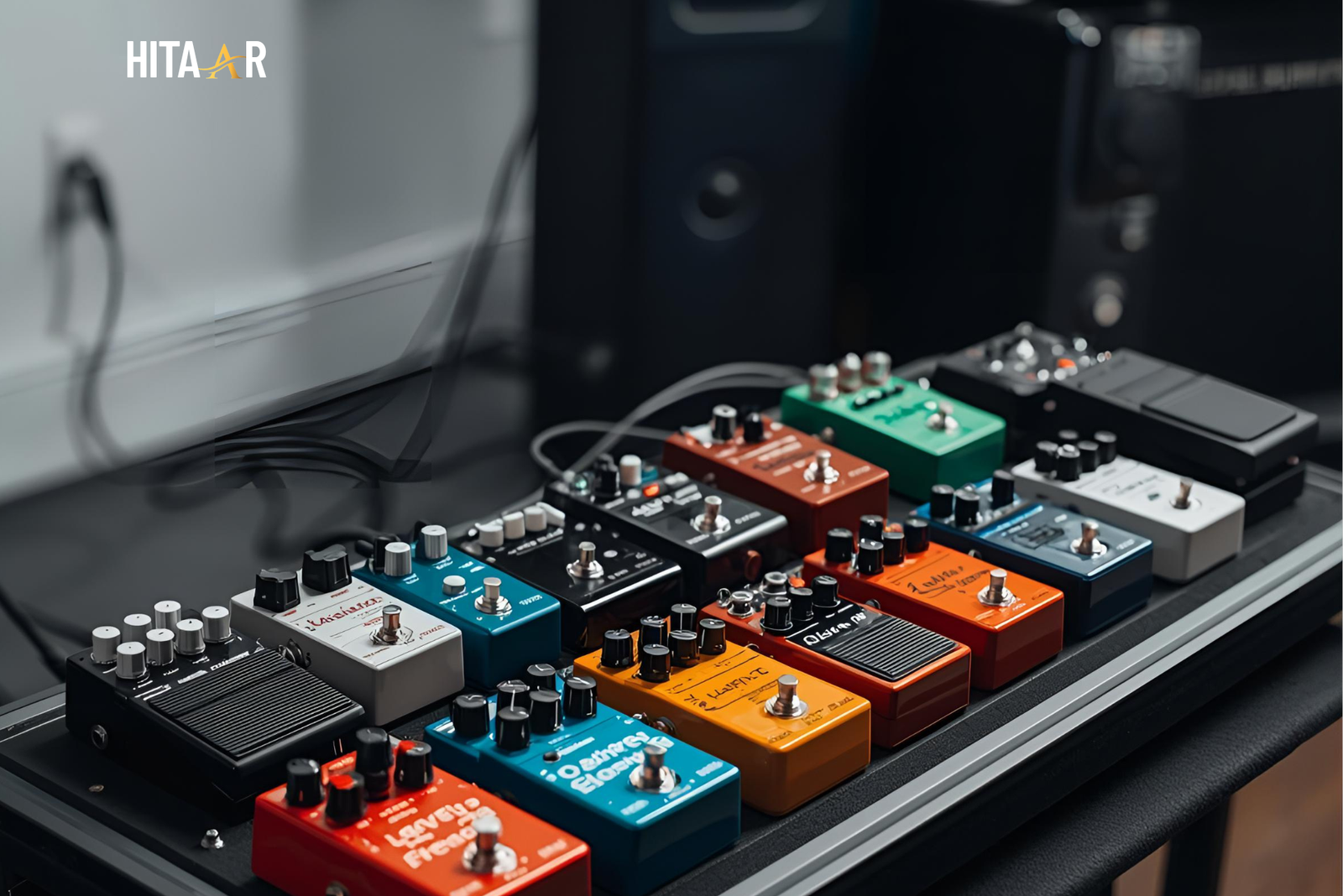
Professional guitarists often experiment with advanced pedal chain techniques to create unique sounds. Using effects loops, organizing pedals by function, and strategically placing buffers can optimize tone and make live performances more manageable. Understanding these techniques allows players to build complex rigs without sacrificing clarity or responsiveness.
Effects Loops: When and How to Use Them
An effects loop on an amplifier allows certain pedals to be placed after the preamp stage. This is especially useful for time-based and modulation pedals, as it preserves clarity while integrating with the amp’s tonal characteristics. Using an effects loop is a powerful way to enhance your pedalboard setup for professional-level tone.
Small Pedalboard Setups That Work Every Time
For compact pedalboards, focus on essentials: tuner, fuzz or overdrive, modulation, and one time-based effect. Keeping your chain simple reduces noise and preserves tone while providing enough versatility for most practice and performance situations.
Large Pedalboard Layouts: Stay Organized and Powerful
Large pedalboards require thoughtful layout. Group pedals by function, use buffers strategically, and manage cables to minimize noise. A well-organized pedalboard not only improves tone but also makes live adjustments easier and faster.
Acoustic & Bass Pedal Order: Getting It Right
Acoustic and bass guitars have different tonal needs. Acoustic setups often emphasize EQ and reverb for natural tone, while bass setups focus on compression and modulation for clarity and punch. Adjusting the standard guitar pedal order to suit these instruments ensures balanced, professional sound.
Guitar Pedal Order Tips for Beginners
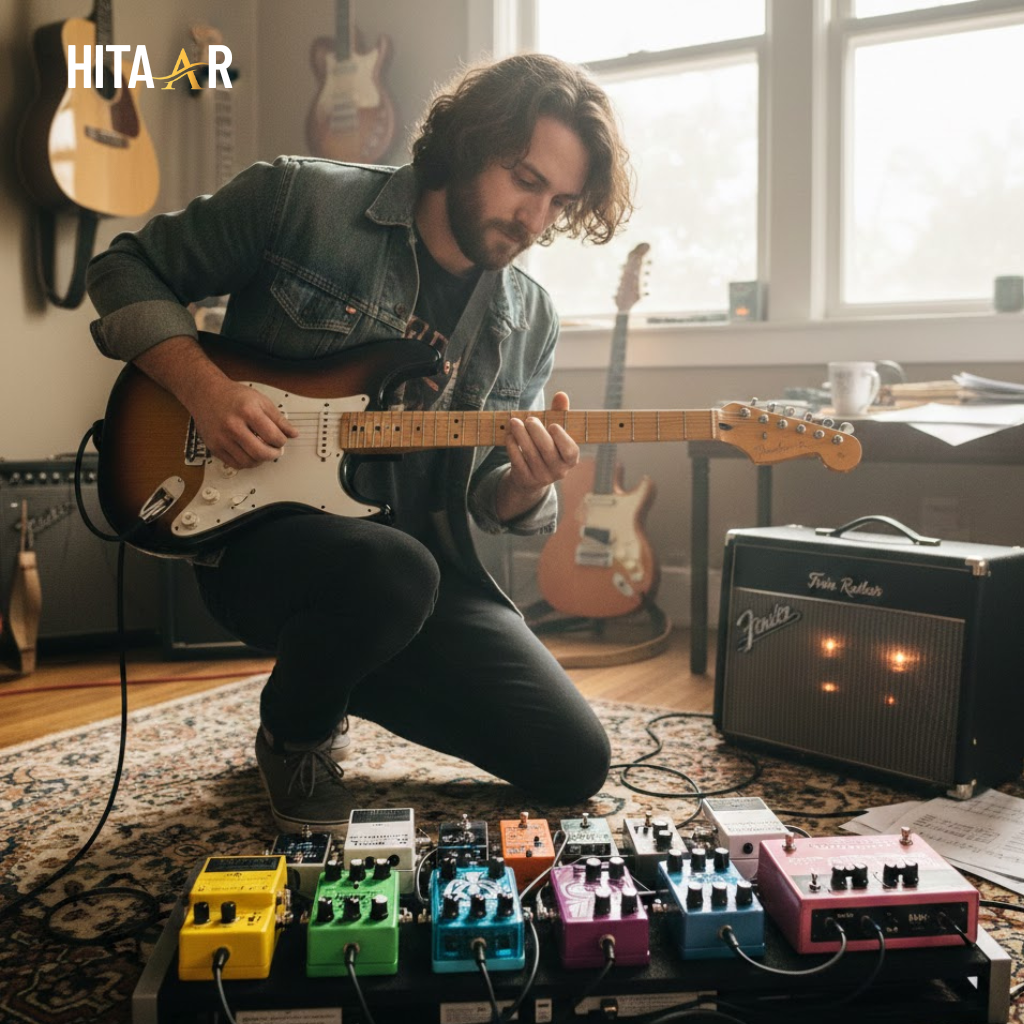
Beginners can feel overwhelmed when starting with multiple pedals. Focusing on essential pedals and understanding basic signal chain principles helps prevent tone issues and makes learning how to arrange guitar pedals for the best sound much easier.
Must-Have Pedals for Every Beginner Guitarist
A basic beginner setup includes a tuner, overdrive or fuzz, a modulation effect like chorus, and a delay pedal. These provide core tone shaping, dynamic control, and spatial effects, giving beginners a solid foundation to experiment with more advanced setups.
Common Pedal Placement Mistakes to Avoid
Many beginners place pedals randomly, which can muddy tone or reduce signal strength. Avoid putting time-based effects before gain pedals and ensure buffers are positioned correctly. Learning these pitfalls helps maintain clarity and dynamic balance across your pedalboard.
Powering Your Pedals: Cables, Adapters, and More
Reliable power is essential. Isolated adapters prevent hum and interference, and quality cables reduce signal degradation. Proper power setup ensures your pedals perform consistently, whether in practice, recording, or live settings.
How to Arrange Your Pedalboard Like a Pro
Group pedals by function and leave room for experimentation. Testing different guitar effects setups teaches how each pedal interacts with the signal and helps you develop your own unique sound. Thoughtful pedalboard organization also makes live performance more efficient.
Customize Your Pedal Chain for Unique Sounds
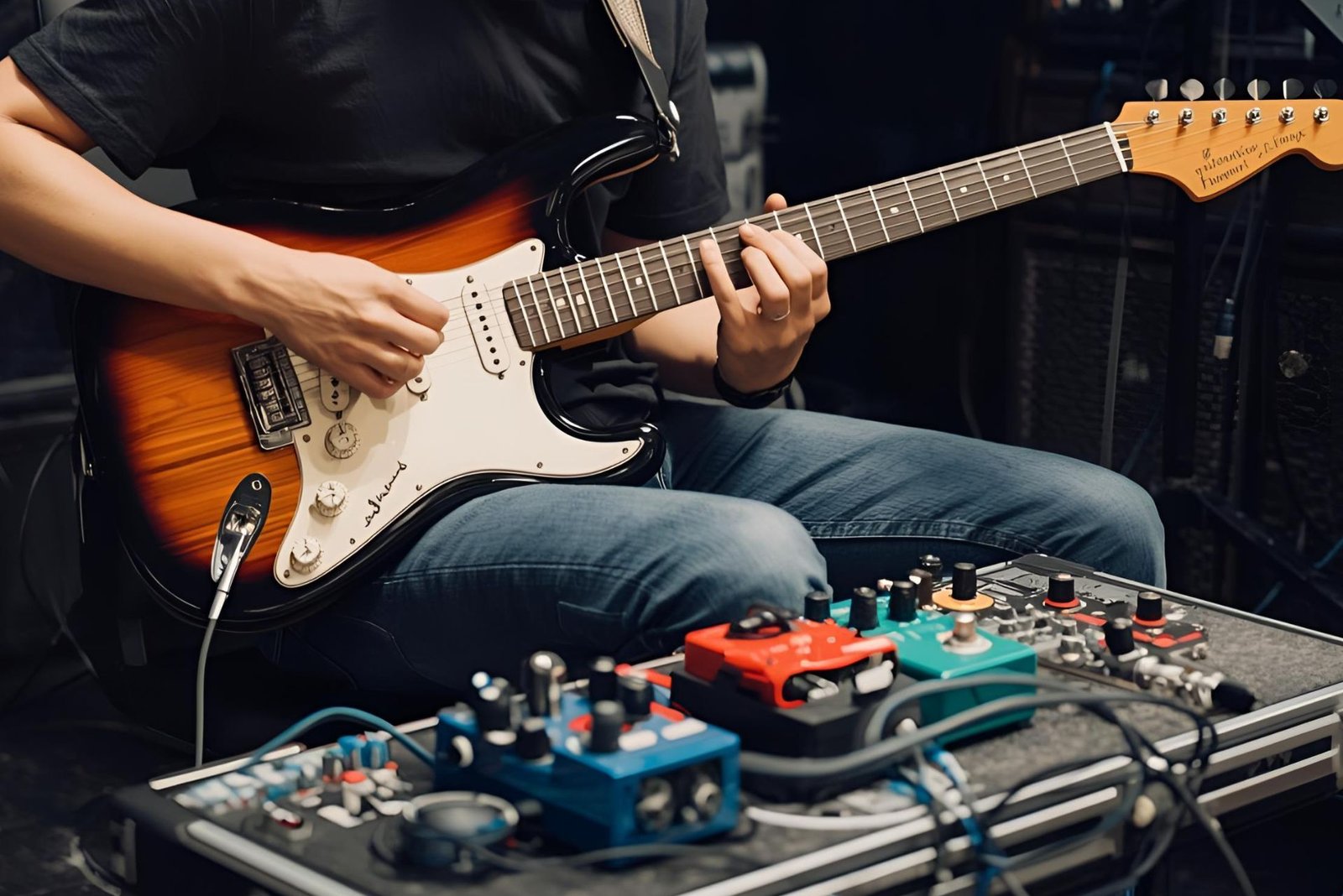
Once you understand basic principles, you can start experimenting with unique pedal combinations. This lets you shape tone, create ambient textures, and expand the possibilities of your rig with loopers, switchers, and EQ pedals.
Pedals That Shape Your Tone and Dynamics
Gain and dynamic pedals define the core of your sound. Creative use of overdrive, boost, and compression can enhance sustain, punch, and tonal color, giving every note character and expressiveness.
Create Atmosphere: Ambience and Effects Pedals
Time-based and ambient effects like delay, reverb, and modulation add depth and dimension to your sound. Changing their placement in the chain can create experimental tones and textures, useful for both studio recordings and live performances.
Loopers & Switchers: Expand Your Sound Options
Loopers and switchers allow you to layer multiple sounds, quickly switch between tones, and create complex arrangements. Using these tools strategically can expand your sonic palette and unlock new creative possibilities.
EQ Pedals: Fine-Tune Every Frequency
EQ pedals let you shape your tone and balance frequencies precisely. Placing EQ strategically allows you to emphasize desired tones and reduce unwanted frequencies, ensuring a polished, professional sound.
Conclusion: Build Your Perfect Guitar Pedal Order
Mastering guitar pedal order is the key to achieving your ideal tone. By understanding the signal chain, experimenting with placement, and using pedals creatively, you can build a pedalboard setup that works for your style. Whether you’re a beginner or a pro, following these principles ensures every note sounds clear, dynamic, and expressive.
Continue learning with our full guide to guitar chords.