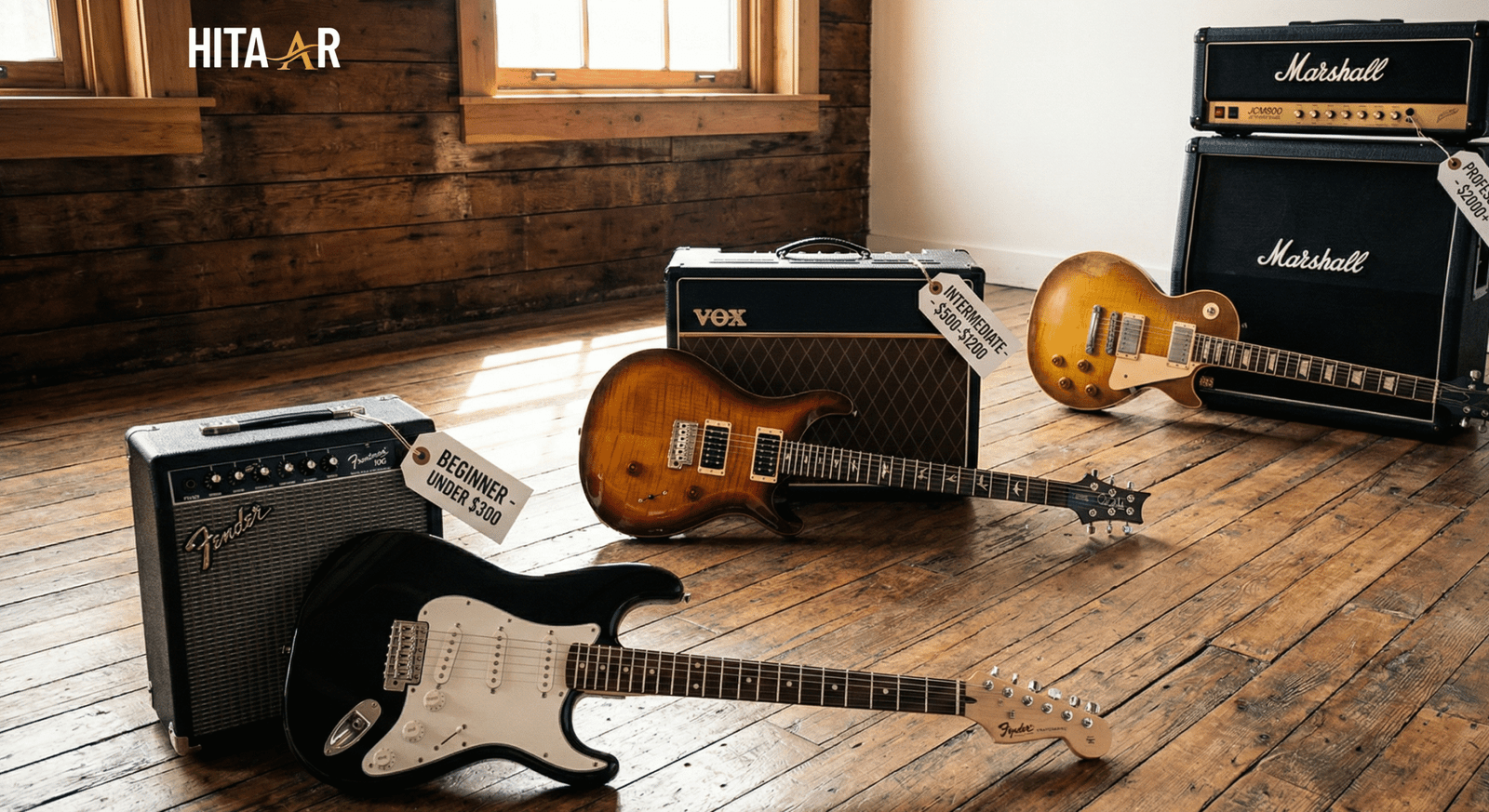







An electric guitar is one of the most expressive and versatile instruments in modern music. Unlike an acoustic guitar, its voice is shaped through electronics, amplifiers, and creative sound crafting. Players often turn to a beginner electric guitar guide to understand how an electric guitar transforms string vibrations into powerful tones used in rock, blues, metal, and many other genres. Learning how electric guitars work gives players the foundation to explore different electric guitar types and choose the right instrument for their musical direction. The electric guitar continues to influence global music culture through its energy, feel, and signature sound.
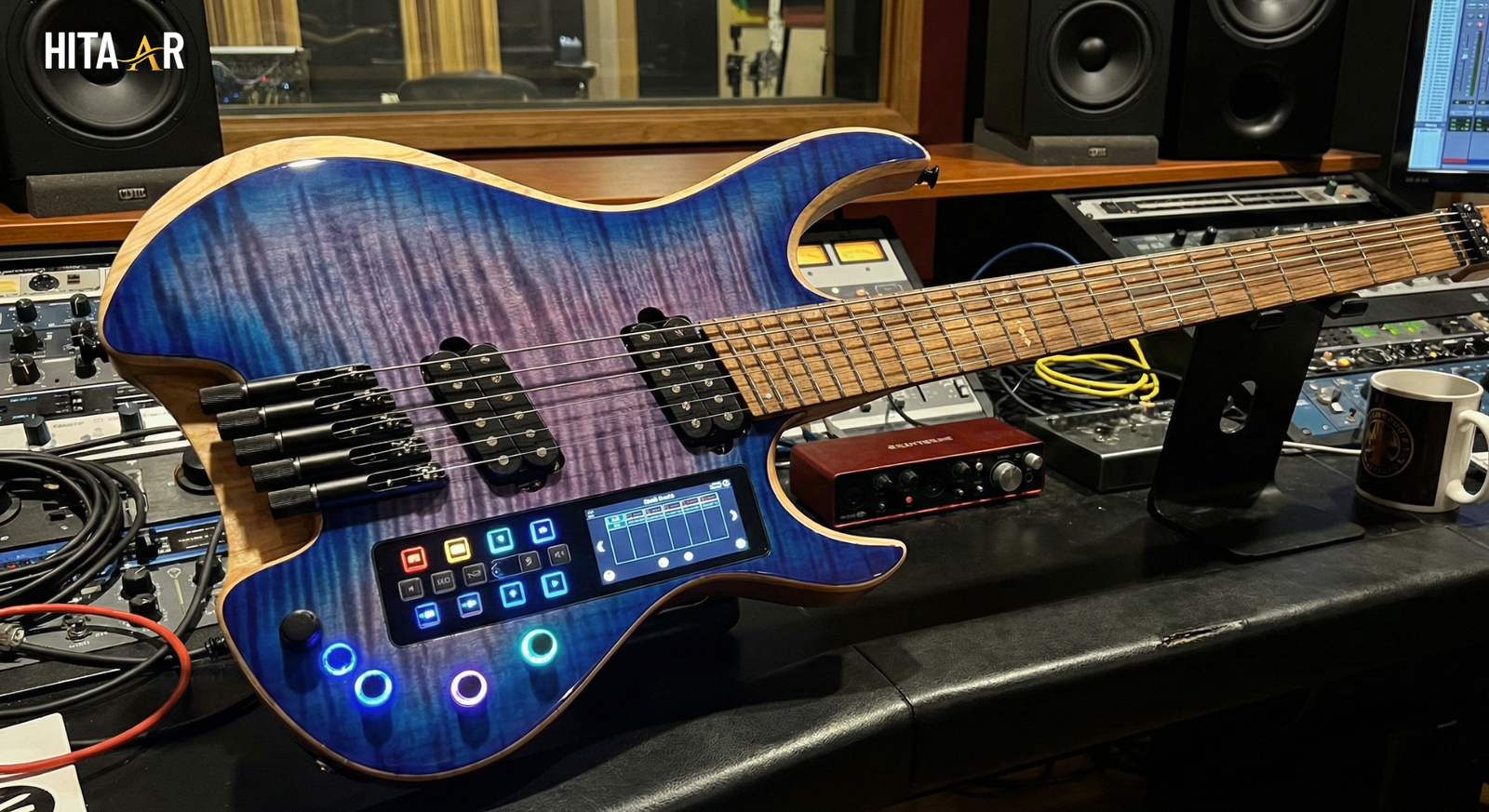
The Basic Anatomy of an Electric Guitar
Every instrument is built with specific electric guitar parts that contribute to its voice, feel, and performance. From the tuning machines and fretboard to the bridge, knobs, and pickups, each element plays a role in shaping tone. Musicians also look at guitar scale length and neck profile, factors that directly affect comfort and the playability of electric guitars. A well-designed build enhances accuracy, control, and long-term enjoyment.
How Pickups Transform String Vibrations Into Sound
Pickups are the heart of the electric guitar’s voice. Different electric guitar pickups sense the vibration of metal strings and, through guitar electronics and wiring, convert them into sound. Many musicians compare single-coil vs humbucker pickups when deciding what tone suits their style best. Single-coils deliver crisp clarity, while humbuckers offer thicker warmth. This entire process forms the foundation of electric guitar sound crafting, shaping everything from soft blues to roaring distortion.
Why Electric Guitars Differ From Acoustic Guitars
Electric guitars depend on electronics rather than a hollow body for sound projection, allowing them to produce diverse tones that match countless genres. Elements of electric guitar history reveal how these instruments evolved to define iconic tones such as rock guitar sound, metal guitar sound, and smooth blues electric guitar tone. Their ability to pair with amplifiers, pedals, and customized setups makes them far more versatile than traditional acoustic instruments.
Types of Electric Guitars Every Player Should Know
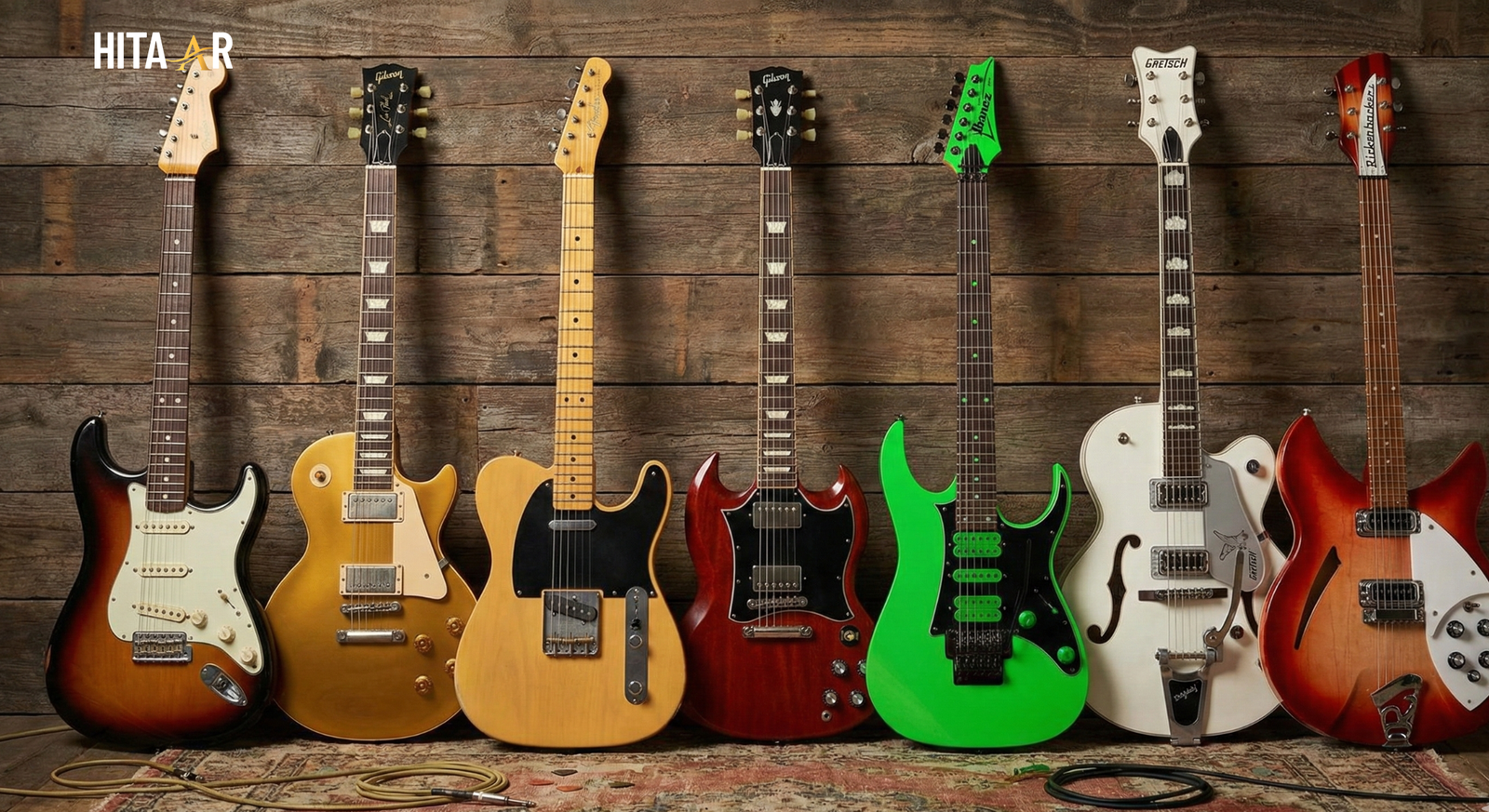
Electric guitars come in multiple designs tailored to different tonal personalities. Understanding each type helps players choose a guitar that fits their genre, comfort, and expression style.
Solid-Body Electric Guitars
The solid-body electric guitar is the most popular style worldwide. Its dense body minimizes feedback and creates a focused, powerful sound ideal for rock, pop, metal, and more. Players love its durability, clarity, and ability to handle high-gain tones.
Hollow and Semi-Hollow Designs
A hollow-body electric guitar delivers warm resonance and a smooth, jazzy character. Those wanting both richness and reduced feedback often choose a semi-hollow electric guitar, which blends acoustic-like depth with electric punch. These guitars excel in blues, jazz, soul, and fusion.
Extended-Range and Modern Electric Guitars
Some musicians explore extra strings and futuristic shapes found in modern electric guitar designs. Extended-range guitars with seven or eight strings give players more tuning options and dynamic control, making them popular in progressive, experimental, and metal music.
Popular Electric Guitar Models and Their Signature Sounds
Music history is filled with iconic guitars that shaped entire eras. These instruments, crafted by top electric guitar brands, continue to inspire generations.
The Legacy of the Fender Stratocaster
Fender electric guitars are known for their bright clarity, smooth feel, and unmatched versatility. The Stratocaster is a timeless favorite used in blues, funk, pop, and rock for its comfortable design and expressive tone.
Why Guitarists Love the Gibson Les Paul
Gibson electric guitars are celebrated for their thick sustain, warm midrange, and bold presence. The Les Paul model is a powerhouse in rock and blues, making it a top choice among players seeking depth and richness.
Iconic Models Used in Rock, Metal, Blues, and Jazz
Over time, many professional electric guitar models have earned legendary status. From fiery stage performances to soulful studio recordings, these guitars shaped the sound of classical rock electric guitars and influenced every genre forward.
How to Choose the Right Electric Guitar for Your Style

Selecting the perfect guitar comes down to a blend of comfort, tone, and inspiration. Whether someone wants high-end craftsmanship or affordable electric guitars, the right choice should feel natural from the moment it’s picked up.
Finding the Perfect Neck Shape and Scale Length
Players evaluating how to choose an electric guitar often focus heavily on neck shape, fret spacing, and how the guitar fits their hands. A comfortable neck design encourages better technique, long practice sessions, and confident performance.
Tonewoods and How They Influence Your Sound
Different tonewoods influence resonance and sustain, shaping the instrument’s overall voice. Lighter woods deliver bright, airy tones, while heavier woods create depth and power. Tonewood choice also impacts the resonance of beginner and premium instruments alike.
Pickups and Electronics That Shape Your Tone
Electronics determine the personality of an electric guitar. The right configuration shapes expressive electric guitar tone, helping players match the sound in their head with the sound from their amplifier and effects.
Essential Gear You Need With an Electric Guitar
The guitar is only one part of a musician’s setup. Supporting equipment transforms the raw signal into a polished, expressive tone.
Amps That Bring Your Electric Guitar to Life
A quality electric guitar amp is essential for shaping the final voice of the instrument. Whether clean and sparkling or distorted and aggressive, the right amp helps each note cut through clearly.
Must-Have Effects Pedals for Beginners and Pros
Pedals allow musicians to explore new textures using guitar effects for electric guitar such as delay, distortion, reverb, and chorus. These tools expand creativity and define signature sounds.
Cables, Straps, and Accessories That Enhance Playing
Reliable straps, durable cables, and accurate tuners help support consistent playing and smooth performance. They may seem simple, but they play a big role in both comfort and reliability on stage.
Electric Guitar Techniques Beginners Should Learn First

Skill development begins with foundational movements that build confidence and improve tone control. Mastering basic electric guitar techniques is key to long-term growth.
Easy Chords and Basic Hand Positioning
Beginners start with simple chord shapes, relaxed hand placement, and smooth transitions. These early habits set the stage for cleaner playing and faster improvement.
Power Chords and Riffs
Power chords are essential building blocks of modern music and help beginners explore tone and rhythm. They pair well with the feel of the best electric guitars for beginners and make early practice more enjoyable.
Bending, Vibrato, and Other Expressive Techniques
Techniques like bends, slides, and vibrato bring emotion to music. Pairing these movements with the right electric guitar strings helps achieve a responsive, expressive feel.
Tips to Maintain and Set Up Your Electric Guitar
A well-maintained instrument sounds better, lasts longer, and inspires regular practice. Proper electric guitar setup and upkeep ensure consistent performance.
How to Keep Your Guitar Tuned and Intonated
Regular tuning, intonation adjustments, and neck alignment help maintain accuracy across the fretboard. These small steps keep the guitar sounding polished during every practice and performance.
Cleaning and String-Changing Tips
Basic cleaning habits and timely string changes extend the life of the instrument. Consistent care supports dependable electric guitar maintenance and prevents long-term wear.
Setting Up the Action for Comfortable Playing
Action height affects comfort and tone. Adjusting it properly ensures the guitar plays smoothly, avoids buzzing, and performs well in all genres.