






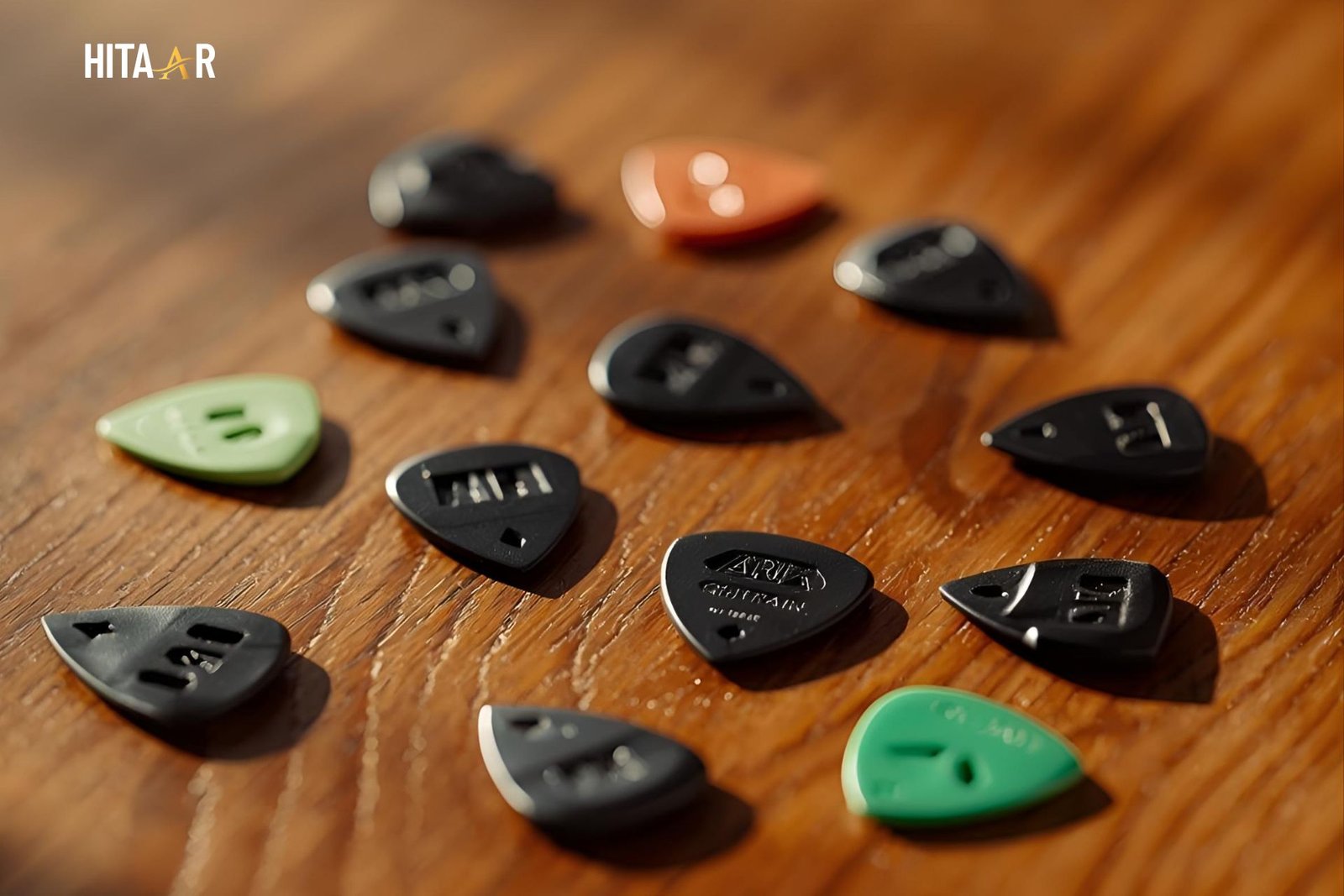
Plectrums for guitar, also known as guitar picks, are small but powerful tools that have a huge impact on your playing style, tone, and comfort. Whether you’re a beginner learning basic strumming or an advanced player focusing on speed and precision, the right plectrum can completely change how your guitar sounds and feels.
Many beginners underestimate the importance of a guitar pick, but experienced musicians know that it plays a major role in tone clarity, rhythm control, and playing consistency. Compared to using fingers, a plectrum gives you more control over string attack and helps produce cleaner and more defined notes.
From soft strumming to aggressive lead playing, choosing the right pick becomes part of your musical identity. In this guide, you’ll learn everything about plectrums—including thickness, materials, types, and how to choose the best one for your style.
Key Benefits of Using a Plectrum:
- Produces clearer and sharper sound
- Improves control and precision
- Helps with faster playing speed
- Reduces finger strain during long sessions
Best Plectrums for Guitar in 2025 for Grip, Control, and Tone


In 2025, guitarists are focusing more on comfort, grip, and tone quality when choosing plectrums. Modern picks are designed with advanced textures and materials that improve grip, especially for players with sweaty hands or those performing live.
Some picks are specifically designed for speed playing, offering a sharper tip for precise picking. Others are built for rhythm players who need flexibility for smooth strumming. The best plectrum depends on your playing style, but overall, players look for balance between stability, comfort, and sound quality.
What to Look for in the Best Picks:
- Strong grip texture to prevent slipping
- Comfortable shape for long sessions
- Balanced tone for multiple music styles
- Durable material for long-term use
Plectrum Thickness Explained: Which One Improves Your Sound?


One of the most important factors when choosing a plectrum is its thickness. Many beginners ask, “What thickness should I use?” The answer depends on your playing style and the type of sound you want.
Thin picks are flexible and produce a bright tone, making them ideal for strumming. Medium picks offer a balance between flexibility and control, while heavy picks are stiff and provide precision for solos and fast playing.
As you progress, you’ll notice how different thicknesses affect your tone and playing comfort.
Types of Pick Thickness:
- Thin (0.4–0.6 mm): Best for light strumming
- Medium (0.7–0.9 mm): Balanced for all styles
- Heavy (1.0 mm+): Ideal for lead and solos
Plectrum Materials and How They Change Your Tone


The material of a plectrum plays a huge role in how your guitar sounds. Different materials create different tones, textures, and levels of grip.
Nylon picks are soft and flexible, making them great for beginners. Celluloid picks offer a classic warm tone, while tortex picks are popular for their durability and excellent grip.
Understanding material differences helps you choose the best option for your music style.
Common Pick Materials:
- Nylon: Soft, flexible, beginner-friendly
- Celluloid: Warm tone, smooth feel
- Tortex: Durable, excellent grip
- Delrin: Strong and long-lasting
Acoustic vs Electric: Choosing the Right Plectrum


Choosing the right plectrum also depends on whether you play an acoustic or an electric guitar. Acoustic players usually prefer thinner picks for smoother strumming, while electric players often choose heavier picks for better control and precision.
However, there is no strict rule. Many players experiment with different picks to find what works best for their style.
Key Differences:
- Acoustic guitar: Thin to medium picks for strumming
- Electric guitar: Medium to heavy picks for precision
- Hybrid players: Use multiple picks depending on style
Are Premium Plectrums Worth It? (Honest Answer)


Premium plectrums are designed with better materials, smoother edges, and improved durability. While they are more expensive, many players find them worth the investment.
These picks provide better control, reduced noise, and a more comfortable playing experience, especially during long practice sessions or live performances.
Benefits of Premium Picks:
- Longer lifespan
- Better grip and control
- Reduced unwanted noise
- Smoother playing experience
How to Hold a Plectrum Correctly (Beginner Guide)


Holding a plectrum correctly is just as important as choosing the right one. A bad grip can reduce control and affect your playing speed.
To hold a pick properly, place it between your thumb and index finger, keeping a firm but relaxed grip. Avoid holding it too tightly, as this can cause tension.
Correct Holding Technique:
- Use thumb and index finger
- Keep grip firm but relaxed
- Leave a small portion of pick visible
- Avoid excessive tension
Common Plectrum Mistakes (And How to Fix Them)


Many beginners struggle with simple mistakes when using a plectrum. These mistakes can affect sound quality and slow down progress.
The good news is that they are easy to fix with proper technique and awareness.
Common Mistakes:
- Holding the pick too tightly
- Using the wrong thickness
- Poor picking angle
- Dropping the pick frequently
How to Fix Them:
- Relax your grip
- Experiment with different picks
- Adjust your picking angle
- Use textured picks for better grip
Final Thoughts: Choosing the Perfect Plectrum


Choosing the right guitar can completely transform your playing experience. From thickness and material to grip and shape, every detail plays a role in how you sound and feel while playing.
There is no single “perfect pick” for everyone. The best approach is to try different options and find what matches your style and comfort.
Final Tips:
- Start with medium picks if you’re unsure
- Experiment with materials and shapes
- Focus on comfort and control
- Practice consistently
👉 With the right plectrum, you’ll enjoy better tone, smoother playing, and faster progress.




One thought on “7 Best Plectrums for Guitar in 2025 (Improve Grip, Speed & Tone Fast)”