





A wah wah guitar effects pedal is one of the most expressive tools in electric guitar history. Its sweeping, vocal-like movement has shaped everything from psychedelic rock to funk, metal, and modern blues. Whether you hear the dark growl of a heel-down sweep, the bright bite of toe-down leads, or the rhythmic “wacka-wacka” funk patterns, the wah effect remains one of the most recognisable sounds in music.
This guide explains the sound, circuitry, tonal range, frequency response, controls, famous models, and buying tips so you can choose the best wah pedal for your playing style. All the keywords you provided are included naturally while keeping the flow human, emotional, and readable.
What Is a Wah Wah Pedal?
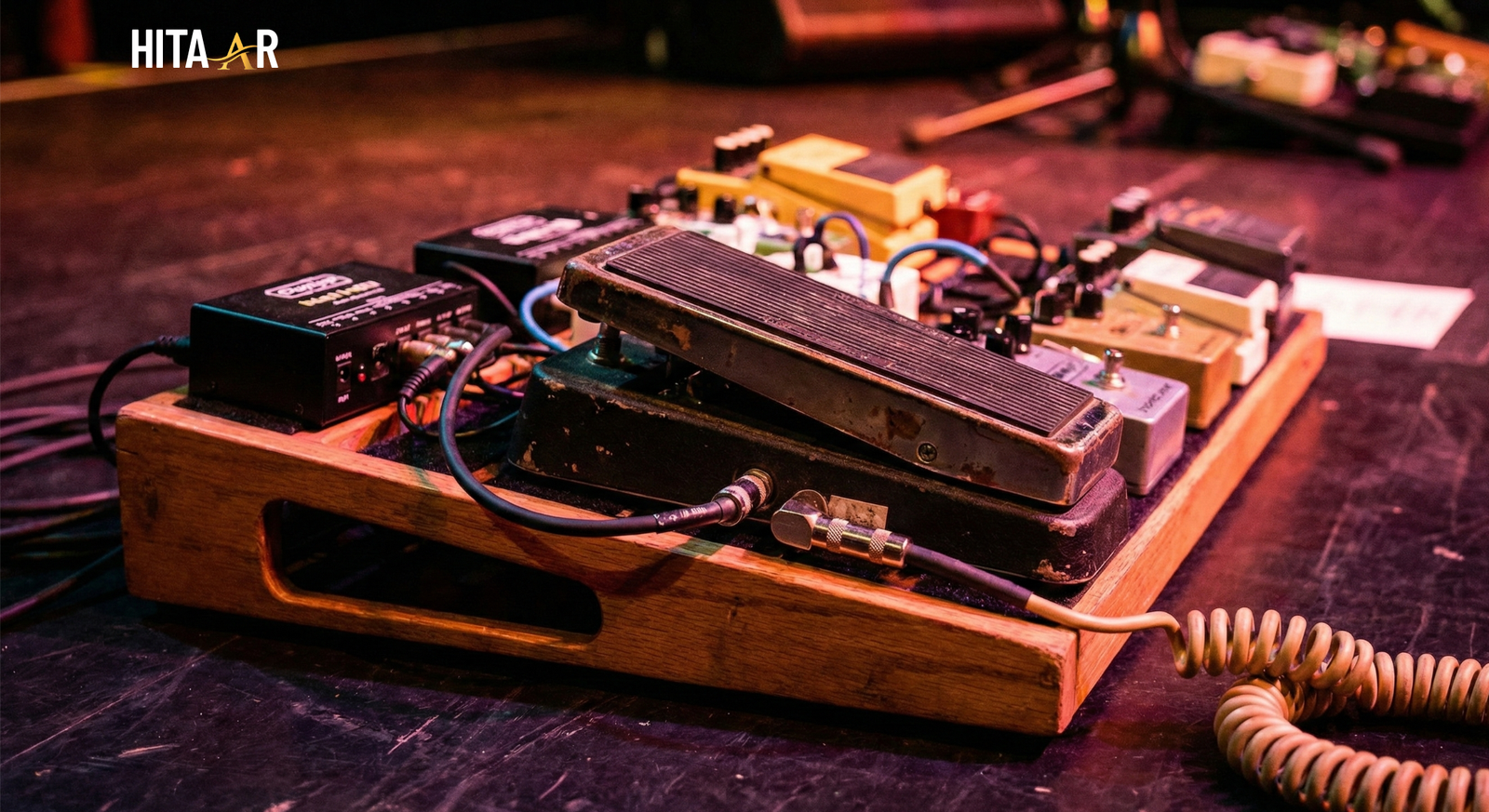
A wah pedal is a foot-controlled effects pedal that moves a resonant filter across a wide range of guitar frequencies, creating the signature wah-wah sound. By rocking the pedal back and forth, guitarists shift the frequency range and shape the tone in real time—almost like making the guitar “talk.”
The first wah pedals appeared in the late 1960s and immediately transformed rock music. Jimi Hendrix, Eric Clapton, The Beatles, and many other musicians used the wah to carve new sound worlds. Today, the wah remains a mainstay for rock, funk, metal, country, and modern guitarists who want expressive tone control.
How a Wah Pedal Works (Explained Simply)
Inside every wah is a band-pass filter driven by a few key components:
1. The Inductor
This coil determines the character and feel of the wah.
Different inductors (Fasel, Halo, etc.) offer different sound characters, from vintage warmth to aggressive modern bite.
2. The Potentiometer + Foot Rocker
Your foot moves the treadle, which turns the pot and shifts the centre frequency.
This is how you control the sweep, shaping everything from dark “muffled” tones to bright cutting leads.
3. The Q Factor
The Q factor controls how sharp or wide the resonant peak is.
Higher Q = tighter, more pronounced vowel-like tone
Lower Q = smoother, more subtle sweeps
This is why some wahs scream, while others whisper.
4. Power & Circuitry
The inner circuitry, power supply, buffer, and true bypass switching all influence:
signal integrity
volume
tonal transparency
noise levels
Great wah pedals maintain clarity even in big pedalboards with overdrive, fuzz, or multi-effects units.
Why Guitarists Love Wah Pedals
The wah is popular because it gives players complete control over their tone—instantly, and with pure emotion. With the right pedal, you can create:
vocal-style lead tones
funky rhythmic patterns
aggressive metal sweeps
mid-focused “cocked-wah” effects
filtering textures for modern music
expressive blues solos
psychedelic rock colors
Few effects pedals have shaped so many genres with such a simple movement.
Famous Wah-Wah Sounds (and Who Used Them)
Jimi Hendrix – “Voodoo Child (Slight Return)”
Pure expressive control. Hendrix practically made the wah a voice of its own.
Eric Clapton – Cream Era
Smooth, sustained wah leads with a vintage Cry Baby tone.
Slash
Aggressive rock wah tones, perfect for solos that cut through distorted amps.
Steve Vai – Bad Horsie Wah
Designed for modern, saturated playing with a fierce sweep.
Funk Icons & Modern Players
Using auto wah for envelope-driven rhythmic effects.
These classic tones made the wah a permanent part of guitar history.
Types of Wah Pedals
1. Classic Wah (Vox, Dunlop Cry Baby)
Simple, reliable, rich midrange.
Perfect for rock, blues, and expressive solos.
2. Multi-Mode Wahs (Dunlop 535Q, Signature Models)
These offer:
Q control
frequency adjustments
boost switches
multiple modes
Ideal for musicians wanting a wide range of tonal possibilities.
3. Signature Wahs (Slash, Hendrix, Vai, etc.)
Designed around the tones of legendary guitarists.
4. Auto Wah / Envelope Filter
No foot movement needed—great for funk, bass guitar, and rhythmic playing.
5. Mini Wah Pedals
Same tone, smaller footprint. Great for pedalboards short on real estate.
How to Use a Wah Wah Pedal Effectively
1. Use it before distortion for rock tones
This makes the wah shape the overdrive.
2. Use it after fuzz for unique psychedelic sweeps
This produces a liquid, vocal-like tone.
3. Sweep slowly for expressive lead tones
Finding the “sweet spot” boosts emotion and clarity.
4. Sweep quickly for funk rhythm patterns
Classic “wacka-wacka” effect.
5. Cocked Wah Trick
Set the pedal in one spot to create a boosted midrange tone—great for solos.
Placing the Wah in Your Signal Chain
Most guitarists place wah first in the chain:
Guitar → Wah → Overdrive/Distortion → Modulation → Delay/Reverb
This gives the cleanest, most expressive sweep.
But for experimental tones:
Guitar → Overdrive → Wah
…creates strange, cool textures.
Key Features to Look For When Buying a Wah
✔ Sound Character & Inductor Type
Vintage? Modern? Smooth? Aggressive?
✔ Frequency Range & Q Adjustments
Wide range = more tonal options.
✔ True Bypass or Buffered Bypass
True bypass maintains tone
Buffer helps long cable runs
✔ Durability & Build Quality
The rocker mechanism must feel smooth.
✔ Power Supply Compatibility
9V, 18V, or pedalboard-friendly.
✔ Additional Features
Some wahs include:
LED indicators
volume boost
selectable inductors
auto-wah modes
expression pedal input
Mini Reviews of Popular Wah Pedals
Dunlop Cry Baby
The most iconic wah ever made. Classic rock tone. Great value.
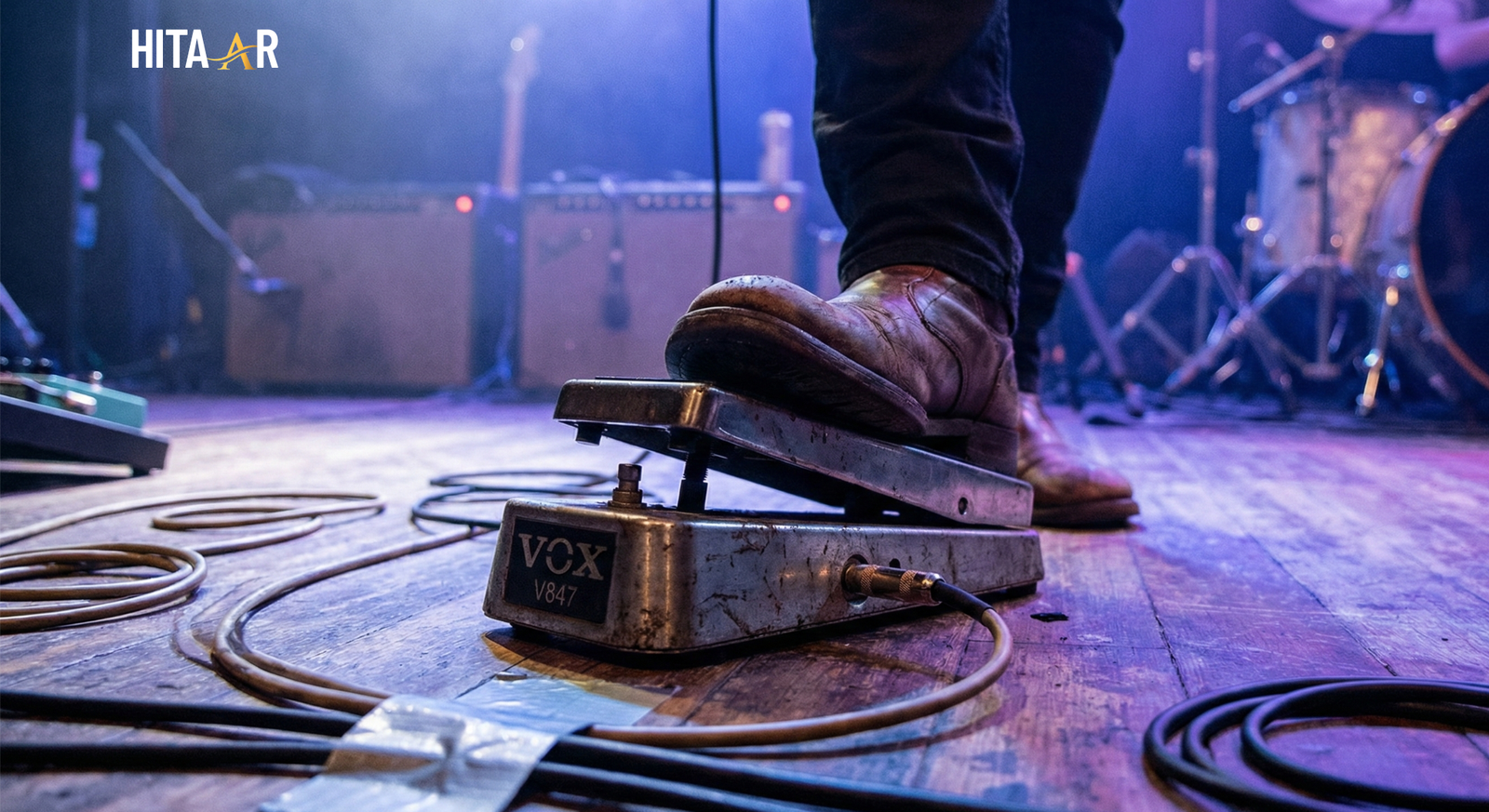
Vox V847
Warm, vintage, British-style wah. Perfect for blues & 60s rock.
Dunlop 535Q
Adjustable Q, frequency, and boost. The most flexible wah for gigging musicians.
Slash Cry Baby Wah
Designed for rock solos, high output, and aggressive mids.
Morley Bad Horsie
Optical switching, durable, perfect for distorted metal tones.
Wah for Bass Guitar
Bassists can absolutely use wah—especially bass-specific wah pedals or auto-wah.
These keep the low frequencies tight while offering expressive filter movement.
Great for:
funk bass
slapping
synth-like filtering
envelope effects
Price Guide: What Should You Pay?
Budget: Vox V847, standard Cry Baby
Mid-range: Cry Baby 535Q, Bad Horsie
High-end: boutique inductors, handwired models, signature editions
Always check the amazon price, Sweetwater, and other trusted stores to compare deals.
Final Bottom Line
If you want the iconic crybaby rock sound, choose Dunlop Cry Baby or Vox V847.
If you want complete control over Q, frequency, and tone shaping, pick the Dunlop 535Q.
If you play heavy, saturated rock or metal, the Bad Horsie or Slash wah will deliver the aggressive sweep you need.
Bass players should explore auto-wah or bass-voiced wahs for better frequency response.
No matter which model you choose, a good wah wah pedal adds expressive tone that no other guitar effects pedal can replace.