







Hitaar music is a culturally rich and expressive art form that blends melody, rhythm, storytelling, and performance into one powerful experience. Known for its emotional depth and artistic heritage, Hitaar has become a symbol of cultural identity for many communities. It combines traditional sound patterns, expressive folk techniques, and a distinctive handcrafted instrument that carries centuries of history. Today, Hitaar continues to evolve, connecting old traditions with modern creative styles and offering audiences a deeply immersive musical journey.
Explore the complete Hitaar guide for more details.
Overview of Hitaar Music
Hitaar is more than a musical technique — it is a heritage-based performance tradition that intertwines sound, dance, poetry, and emotional expression. Artists use Hitaar to communicate stories, celebrate milestones, and pass down cultural knowledge. Its warm acoustic tones and rhythmic flow make it a beloved form of ethnic musical expression across generations.
Modern performers continue to adapt Hitaar by blending its traditional sound textures with contemporary influences, allowing the art to stay relevant in today’s global music circles.
Explore our full Hitaar overview to understand its features, learning approach, and benefits for guitar players.
Key Elements of Hitaar Music
Hitaar combines several artistic components that create its unique character:
● Rhythm Structure
The foundation of Hitaar music lies in its rhythmic cycles, often created using traditional string instruments or gentle percussive patterns.
● Melody Patterns
Hitaar melodies are known for their smooth transitions, emotional tone, and cultural soundscapes, giving listeners a strong sense of connection to heritage.
● Storytelling Through Art
Every performance carries a message. Through lyrics, dance, and movement, Hitaar narrates community stories, cultural memories, and expressions of emotion.
● Traditional Instruments
The handcrafted Hitaar instrument adds a warm, authentic acoustic sound, often supported by drums, wind instruments, or modern digital layers in fusion styles.
Origin & Evolution
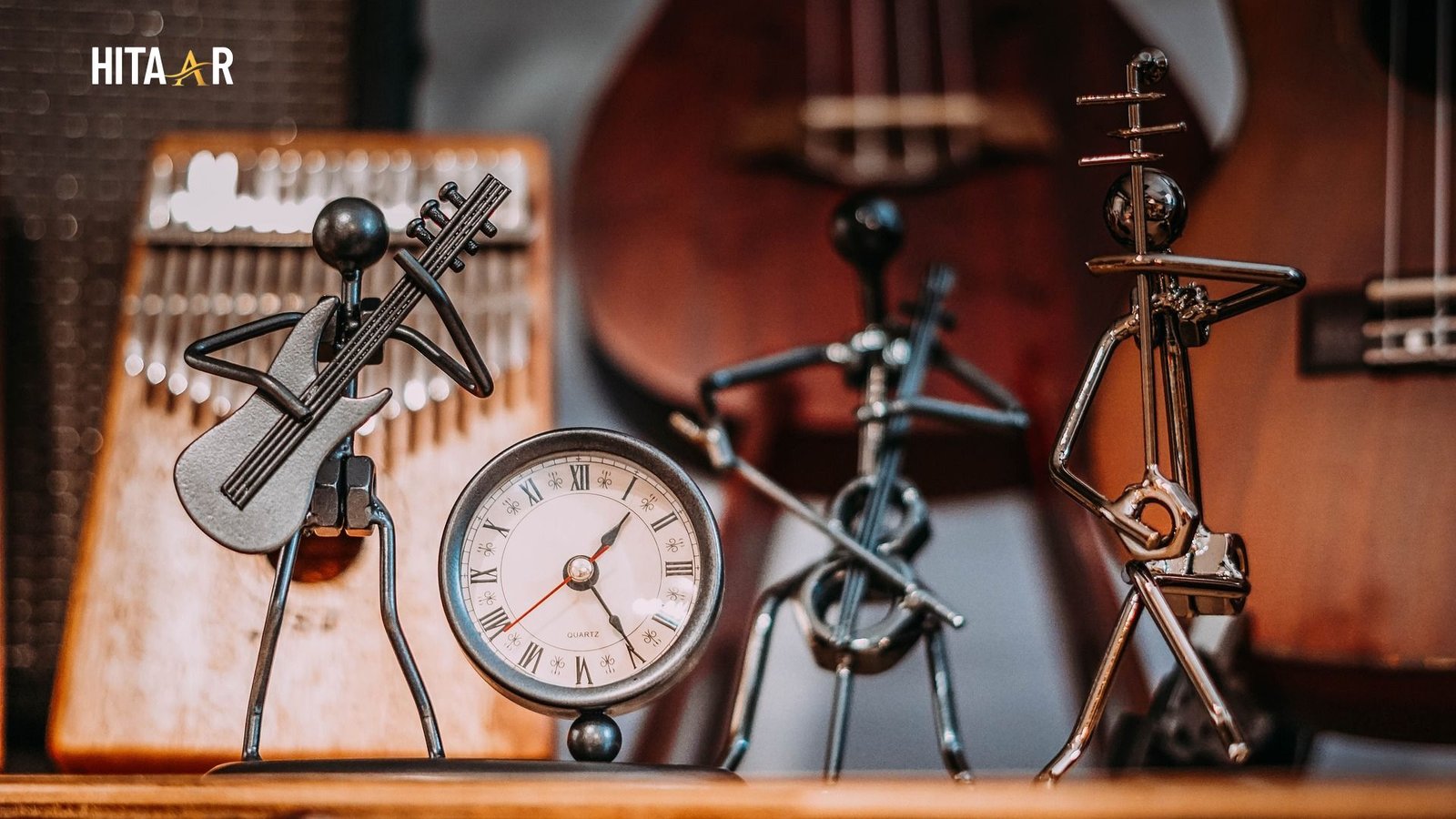
Hitaar originated in early cultural communities where people used music as a form of communication, celebration, and storytelling. Over time, it absorbed influences from migration, cultural exchange, and regional traditions.
Its evolution includes:
- regional variations in rhythm and dance
- diverse instrument craftsmanship
- influence of global music trends
- transition from ritualistic art to stage performance
Today, Hitaar stands as an example of how indigenous musical expressions can evolve while preserving their cultural roots.
Why Hitaar Is Gaining Popularity
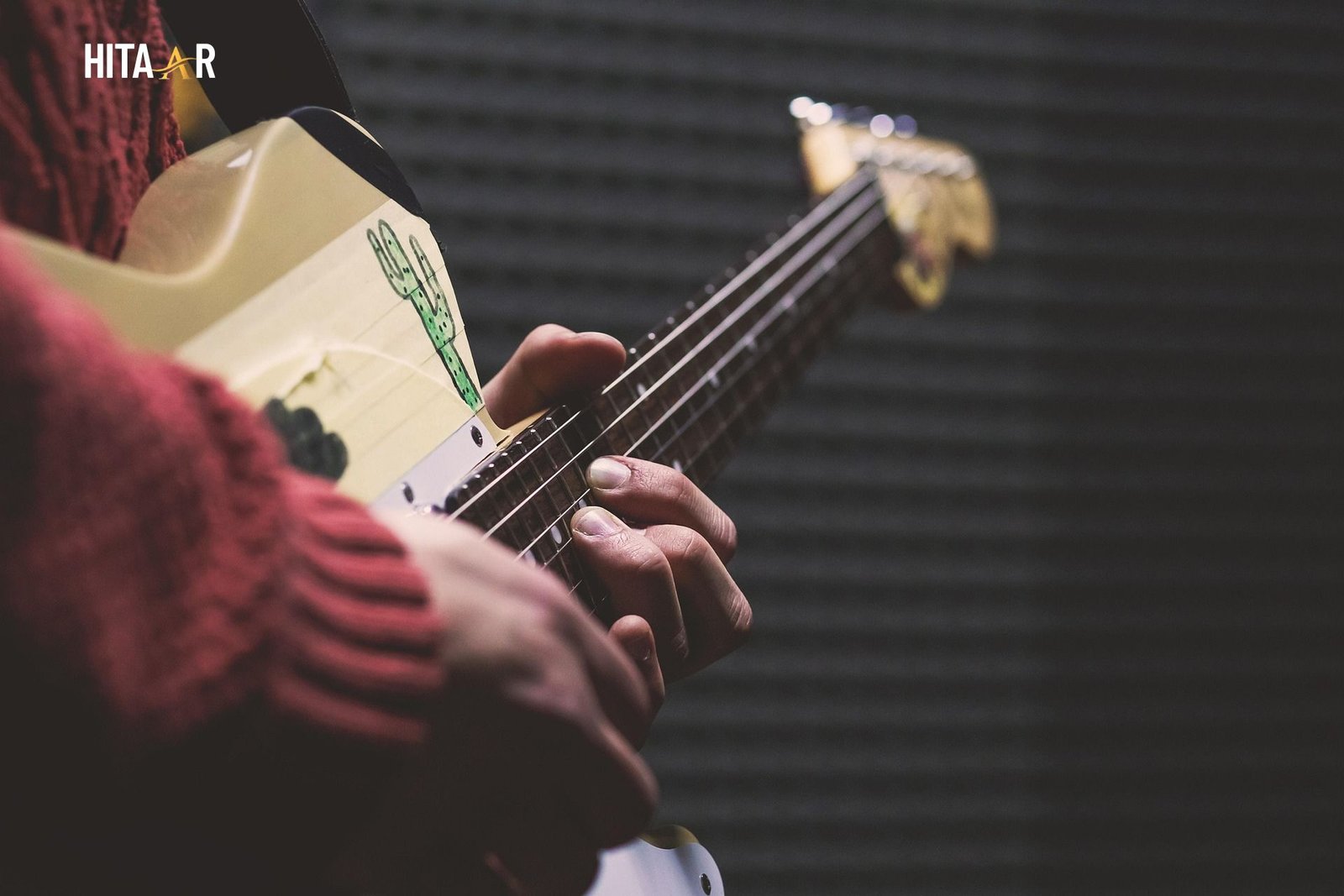
Hitaar has seen renewed interest due to:
● Social Media Exposure
Artists now share their performances globally, introducing Hitaar to new audiences.
● Youth Engagement
Young musicians combine Hitaar with pop, electronic, and world music, creating hybrid soundscapes that attract modern listeners.
● Cultural Festivals & Events
Heritage festivals showcase Hitaar as part of community performance traditions, making it more visible and appreciated.
● Emotional Impact
People relate to the emotional storytelling, expressive melodies, and the authentic connection Hitaar creates between artists and audiences.
To experience a more focused and premium way to learn guitar, explore practicing Hitaar and reshape your daily routine.
Hitaar Music in Today’s World
In the modern era, Hitaar is practised in:
- cultural concerts
- community gatherings
- global music festivals
- online workshops
- traditional celebrations
Digital production tools and world-music collaborations have unlocked a new era of contemporary cultural fusion, allowing Hitaar to reach listeners far beyond its origin.
Many artists experiment with innovative arrangements, blending the familiar tones of Hitaar with modern beats, giving the genre a refreshing identity while respecting its roots.
Conclusion
Hitaar music is a timeless art form that blends tradition, creativity, and emotional storytelling. From its cultural origins to its modern adaptations, Hitaar has remained a symbol of artistic heritage. As global interest grows, this expressive tradition continues to inspire new performers, new styles, and new interpretations — keeping its legacy alive for future generations.



5 thoughts on “What Is Hitaar Music? A Complete Guide to Its History, Rhythm & Culture”